The Best HVAC Brands for Denver's Climate in 2026
Published: 2026-06-21 · By AC Repair Denver Pros
As a Denver resident, you're likely well-acquainted with the rapid temperature swings and wild weather patterns that characterize the region. One day might bring sunny skies, while the next could see heavy snowfall or unexpected hail storms. This unpredictability can wreak havoc on your HVAC system, especially in a city where efficient heating and cooling are essential for comfort. But do you know which HVAC brands best stand up to Denver's unique climate? In 2026, understanding these options is crucial for homeowners determined to make informed choices.
Why This Matters for Denver Homeowners
Many Denver homeowners face significant challenges due to the extreme weather conditions. Rapid temperature changes can put a strain on HVAC systems, leading to increased repair needs and eventual replacements. Additionally, the heavy snowmelt during spring creates a rush of moisture, which can jeopardize a system's efficiency. Understanding these factors can help you identify systems specifically designed to handle such adversities.
Expansive clay soils, common in many areas of Colorado, further complicate this scenario. Homes built on these soils often require special drainage solutions, affecting the way HVAC systems operate. If not properly addressed, these drainage issues can lead to flooding around your unit or even structural damage.
Get an annual maintenance check to prepare your HVAC for the swift season transitions. This proactive step can save you from costly repairs.
The freeze-thaw cycles typical in spring add another layer of stress on HVAC units. Even minor lapses in efficiency can lead to increased energy bills and discomfort. It's essential for homeowners to choose reliable brands tailored for these conditions to avoid headaches down the line.
Expert Solutions & Actionable Tips
1. Choosing Energy-Efficient Models
For homeowners in Denver, opting for energy-efficient HVAC systems can lead to notable savings. Most energy-efficient units start around $3,000 and can go up to $7,000, depending on the brand and features. Look for models with a SEER rating of at least 16, which can alleviate strain during the warmer months and reduce energy bills year-round.
Additionally, check for warranties that cover weather-related failures specifically, as this can provide peace of mind against Denver’s unpredictable climate.
2. Investing in Smart Thermostats
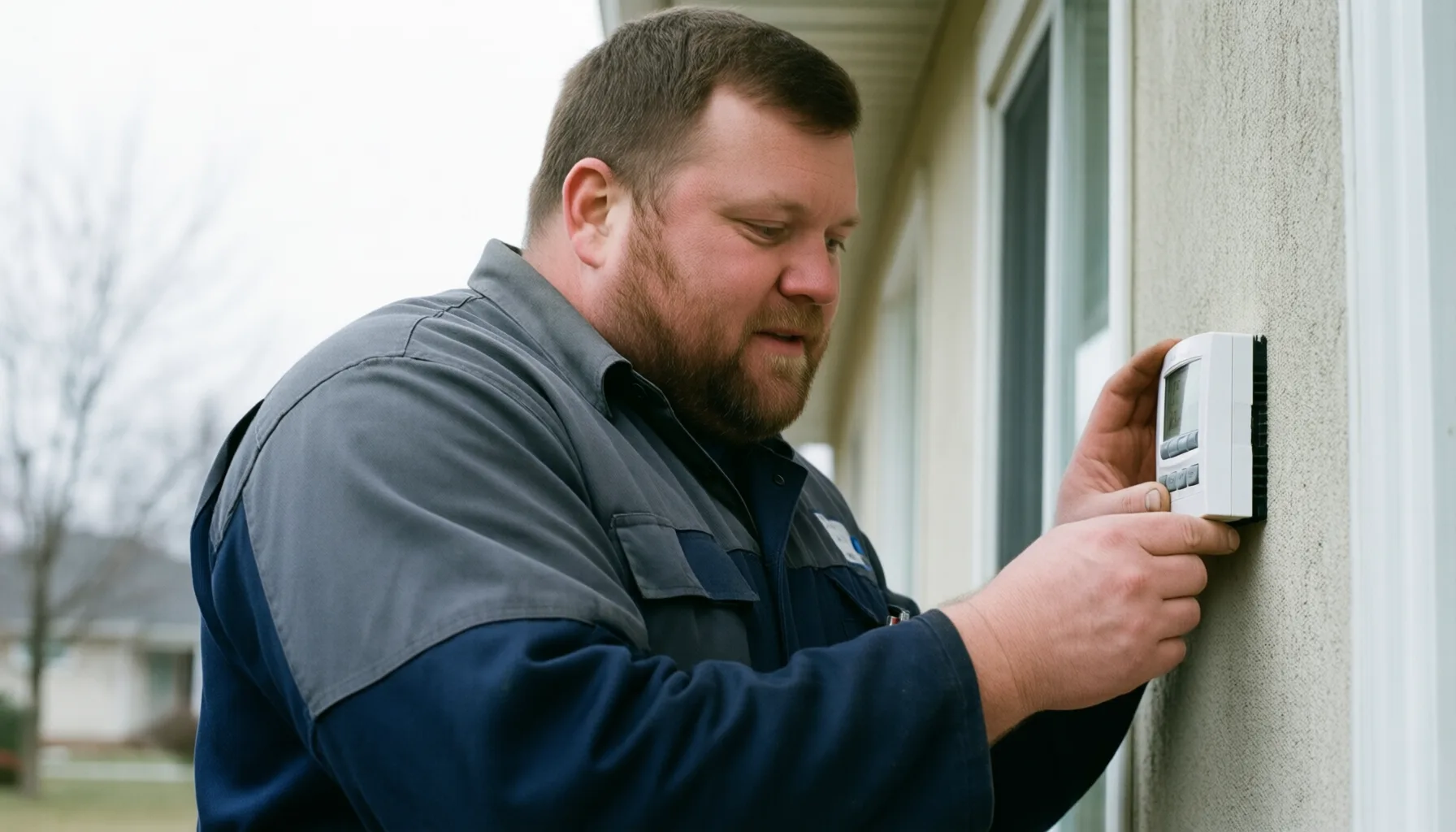
Smart thermostats can enhance your HVAC system's performance by allowing you to control temperatures remotely. Devices like the Nest or Ecobee range from $100 to $250 and offer features such as learning your schedule and adjusting temperature based on weather changes. This flexibility is particularly beneficial in Denver, where daily temperature fluctuations can occur.
Installation is typically straightforward, taking only a couple of hours, making it an excellent investment for both comfort and efficiency.
3. Utilizing Zone Heating and Cooling
Zone heating and cooling can drastically improve energy efficiency and comfort levels in your Denver home. By dividing your space into zones, you can avoid heating or cooling unused areas, ultimately reducing costs. System installations average between $2,000 and $4,000, but the savings on energy bills are often worth the initial outlay.
Consider working with a local HVAC pro to ensure an efficient layout tailored to your home’s design.
4. Understanding Local Permitting Requirements
In Denver, any HVAC installation or major repairs may require permits. The cost of permits typically ranges from $50 to $200, depending on the work scope. Working with a licensed professional can save you time and ensure that all necessary regulations are met, particularly because failing to comply can lead to fines or even forced removal of unpermitted work.
It's advisable to consult your local building department to understand specific requirements before your project begins.
5. Scheduled Maintenance: Key to Longevity
Scheduling regular maintenance for your HVAC system is essential in Denver, where weather extremes can wear down your unit. An annual tune-up can cost between $100 and $200 and is essential for identifying minor issues before they become major problems.
Benefits of maintenance include improved efficiency and longer lifespan of the unit, so don’t overlook this crucial component of homeownership.
6. Air Quality Testing and Solutions
Denver’s high elevation and associated air quality issues make it essential to invest in air purification systems. These can range from $1,000 to $3,000. Testing the air quality in your home should be a priority, particularly if anyone suffers from allergies or asthma.
Consider working with a local HVAC consultant who understands Denver’s specific air quality challenges to tailor solutions to your home.
Denver Climate & Local Context
Denver's climate is characterized by significant seasonal variations. Summers can bring high temperatures, making efficient cooling vital, while winters can plummet into frigid conditions necessitating reliable heating systems. Additionally, strong winds and hail storms can complicate the HVAC landscape.
Local homes often sit on expansive clay soils that can shift, causing structural issues if drainage isn’t correctly managed. This can impact not only the foundation but also how HVAC systems operate, as improper water drainage can lead to increased humidity and lower performance.
Moreover, local building codes can be quite stringent, requiring permits for HVAC modifications and installations. Understanding these codes ensures compliance and can prevent costly setbacks or repairs in the future.
When to Call a Professional
Deciding when to tackle HVAC issues yourself versus calling in a professional can be challenging. While minor filters and thermostat adjustments are doable for most homeowners, significant repairs may require expert insight.
- Your HVAC system is making unusual noises
- There is inconsistent temperature regulation across rooms
- Your energy bills have unexpectedly increased
- Frequent cycling on and off
- Unpleasant odors coming from vents
- Water pooling around the system
- Your HVAC is over 10 years old
If you notice any of these red flags, it's advisable to engage a qualified HVAC technician. This often saves time, money, and can prevent future system failures.
Frequently Asked Questions
What HVAC brands are best for Denver's climate?
Brands like Trane, Lennox, and Carrier perform well in Denver's fluctuating conditions, offering durability and efficiency that stand up to the local climate.
How do temperature swings affect my HVAC system?
Rapid temperature changes can lead to increased wear and tear, reducing efficiency and potentially causing breakdowns if not addressed promptly.
What is the average cost of AC installation in Denver?
AC installation costs can range anywhere from $3,000 to $7,000, depending on the type of system and necessary modifications for your specific home.
How can I prepare my HVAC system for winter?
Schedule a maintenance check, replace filters, and ensure that your thermostat is functioning correctly to help your HVAC system operate efficiently in winter.
When should I replace my HVAC system?
Consider replacing your HVAC system if it is over ten years old or if you frequently incur repair costs that exceed half of a new unit's price.
Get Expert HVAC Service in Denver
Maintaining optimal comfort in your Denver home is essential, and selecting the right HVAC system is a critical step. For expert advice on navigating your options, don’t hesitate to reach out to AC Repair Denver Pros.
Call (983) 221-1747 for a consultation tailored to your climate needs, ensuring you're well-prepared no matter what the Denver weather brings.